



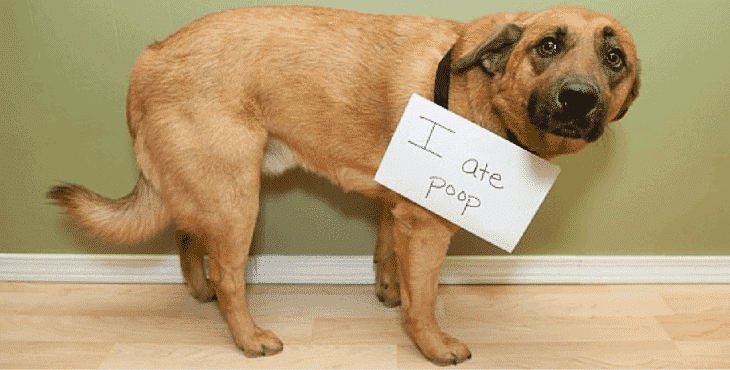

Although dogs are undeniably lovable, adorable, and trustworthy, they sometimes show odd and even repulsive behaviours that raise our eyebrows. Why do dogs eat their own poop? Have you ever discovered your dog in the backyard chowing down on something strange? If you look closely, you will see that your dog or puppy is eating his own poop.
As people, the prospect of swallowing faeces makes our stomachs turn. However, dog owners sometimes complain about their dogs consuming their own faeces as well as the faeces of other species. Read more on why dogs eat their own poop and what you should do about it.
Coprophagia – What Is It?
Dogs are perhaps the most curious animals. Some are picky, while others will chew on anything and everything.
When it comes to swallowing feces, veterinarians refer to the practise as coprophagia. Coprophagia, which is often seen in dogs, tends to be behavioural but may occasionally be affected by various medical conditions. To determine whether a dog has acquired coprophagia, it is necessary to rule out medical issues before making a diagnosis.
By excluding any medical conditions, the veterinarian will develop an appropriate treatment approach for coprophagia.
Why Do Dogs Eat Their Own Poop?
This behavior may be triggered by several factors. From medical issues to behavioral issues, dogs can begin eating their own feces or feces from other animals. Before treating your dog for swallowing feces, consult your veterinarian to ascertain the most probable trigger.
Medical Problems
Medical conditions that impair food absorption, induce GI problems, or improve the attractiveness of a dog’s poop may also contribute to the development of coprophagia. Several potential medical causes include the following:
- Underfeeding or consuming a meal that is difficult to absorb
- Deficiencies in digestive enzymes
- Parasites
- Vitamins Deficiency
- Mineral Deficiency
- Diabetes
- Cushing’s syndrome
- hypothyroidism
- Side effects from steroid medications
To rule out any pathological reasons for coprophagia, it’s important to conduct a physical examination, a diet inspection, and a stool or blood test for parasites.
Behavioral Problems
Coprophagia is a typical puppy behaviour issue that normally resolves by adulthood. Though dogs of all ages can exhibit coprophagia, the following are some of the more popular causes:
Curiosity and playfulness: initial poop-eating behavior can draw owners’ attention, culminating in dogs or puppies exhibiting the behavior indefinitely.
Puppies may imitate their mother or other dogs who clean and eat puppy feces when caring for their young.
Inappropriate conditioning techniques: certain people try to potty train their pets by inserting a dog’s nose onto their poop once they have soiled themselves inside the house, which may also encourage coprophagia.
Adult dogs can groom and clean newborn puppies, as well as consume their feces.
Owners and veterinarians may also minimize the risk of the behavior becoming a long-term pattern by addressing the problems in coprophagia through early detection and regular care.

Why Is My Dog Consuming Cat Poo?
Have you ever found that your dog consumes cat feces? As a form of scavenging, dogs can consume the faeces of other animals. It is not unusual for dogs to take food from humans, consume trash, or consume things other than food that we deem weird and unsanitary.
Frequently, dogs are drawn to the scent, feel, and taste of foods, regardless of whether we believe they are suitable or not.
Cat faeces and those of other species may sometimes be attractive to dogs. Because dogs perceive smells differently than people do, it’s important to note that poop does not often smell bad to a dog.
As dogs test their world, they are consistently drawn to the odour of poop. Take note that if your dog finds poop appealing, he or she will consume it.
How Can I Prevent My Dog from Consuming Poop?
Coprophagia caused by behaviour may be reversed by applying a variety of procedures, including the following:
- Limiting and avoiding access to feces to the greatest extent.
- Rigorously washing, constant monitoring of your dog while he is outside, and holding cat litter out of reach.
- Interrupting or yanking on the dog’s collar as they are out for a stroll to sniff a poop.
- Distract and discourage the dog by training him to come to you for a reward after elimination.
- Collaborate with the veterinarian to determine and fix the root cause of coprophagia exacerbated by medical complications. Several possible options include the following:
1) Changing their food to something more digestible.
2) Making the switch to a high-bulk or high-fiber formula for your dog.
3) Supplementing of enzymes that aid in digestion and absorption.
Conclusion
If you’re concerned about your dog’s coprophagia, speak with the veterinarians for professional guidance and encouragement.
Your vet can diagnose behavioural disorders and medical issues, and assist you with identifying and treating the underlying cause of the behaviour to achieve long-term results.