



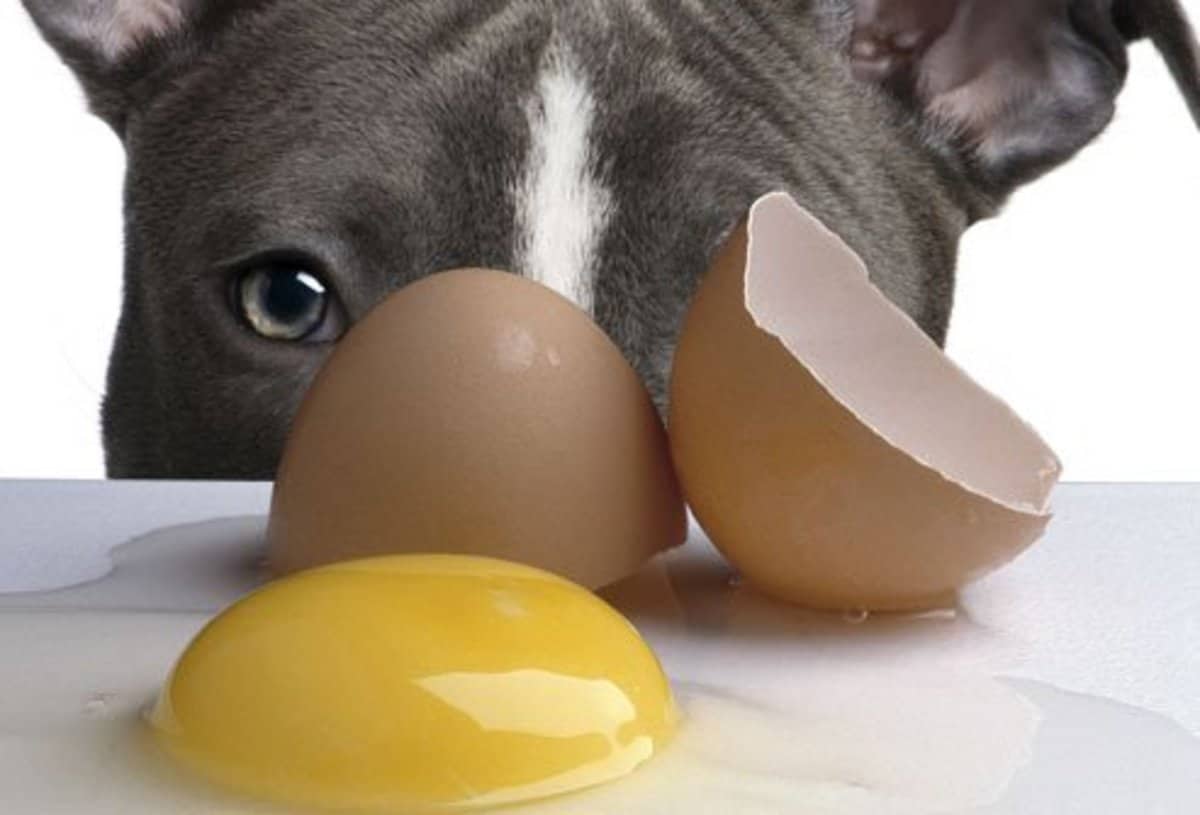

Dogs love to eat human food; that is a fact. A common question people ask me is “Can dogs eat eggs?” In this article, we will explain everything you need to know about eggs for dogs.
Can Dogs Eat Eggs?
The answer is a resounding yes. Eggs are safe for your dog. They are loaded up with lots of protein and an excellent source of vitamins and minerals. Eggs can be a perfect addition to your dog’s bowl. before the fact.
Some pet parents simply share this popular superfood from their breakfast with their furry friend as an occasional bite.
Eggs have amazing health benefits for dogs. Raw eggs are more nutritious, as cooking destroys advantageous minerals. There is a huge debate about whether raw or cooked eggs should be given to dogs.
Feeding organic free-range eggs is the safest idea to ensure they are not sprayed with any chemicals. Supplementing nutrients in your dog’s diet should only be done under the supervision of a vet.

Egg Protein: a dog-friendly treat
Eggs are relatively low in calories. Eggshells contain calcium and other minerals. Egg yolks contain mostly fat with little protein. Egg whites, on the other hand, contain protein without fat. They are a healthy supplemental snack and a great occasional treat.
This special surprise that your dog will enjoy provides much-needed nutrients like linoleic acid and fat-soluble vitamins, especially Vitamin A, which is good for a dog’s skin and coat. So they are a complete package of essential nutrients needed by your dog to grow healthy and can be a great treat to add to your dog’s mealtime routine.
How Do Eggs Help Dogs?
Eggs are a complete food source which provides key nutrition components to dogs. It contains a high proportion of:
- Riboflavin: This vitamin transforms fat into energy and promotes good skin health.
- Fatty Acids: They contribute to a dog’s immune function, skin health, and coat health.
- Vitamin A works as an antioxidant that helps support eye health in dogs.
- Selenium: It helps in cancer prevention, joint health, and immune resistance.
- Vitamin B12 – helps in proper functioning of the nervous system and maintaining good intestinal health.
- Folate supports red blood cell production and metabolic functions like DNA synthesis.
- Iron is responsible for blood synthesis and enzyme functions.
What Is The Best Way To Feed Eggs To My Dog?
Make sure to use cooked or boiled eggs plain without additives. Many eggs are sprayed with chemicals to make them appear fresh and shiny, so it’s best to get organic eggs. You can serve them omelet-style eggs, poached, scrambled, hard-boiled, or fried.
Try feeding your dog just one egg to watch for any possible imbalances. If he passes the moderation test without any digestive discomfort, there’s no trouble adding them to your dog’s diet plan or feeding them as a treat or a snack.
Never exceed the treats and add calories; keep them to a minimum. Feeding more than one egg could unbalance your dog’s diet and lead to weight gain.
It’s also possible that your dog might be allergic to eggs. Watch for symptoms like itching, digestive issues, and/or breathing problems, and speak with your veterinarian immediately.
Is It Safe To Feed Dogs Raw Eggs?
It has been an ongoing debate for quite a while, and there’s a lot of confusion. Some veterinarians recommend feeding raw eggs while others lean far in the opposite direction, so you need to decide for yourself.
The only possible risk to dogs from eating large quantities of raw eggs is biotin deficiency caused by avidin, a biotin inhibitor present in egg whites. It’s symptoms are inhibited fatty acid metabolism and cell growth, loss of skin and coat condition.
Some other potential risks include Salmonella infection, which can cause vomiting and diarrhea.
Cooked eggs are most preferred and considered safer for pups, as any contaminating bacteria are killed. If your dog contracts any gastrointestinal infection after eating raw eggs, switch to cooked eggs.
The bottom line is that it’s safe to feed 1 to 2 raw eggs per day or per week. Just remember that raw eggs shouldn’t become a staple in a dog’s diet.
Are Egg Shells Nutritious For Dogs?
Eggshells can be a good source of calcium and protein for dogs, supporting bone health and healthy teeth.
Dogs come from wild wolves; back in history, they had to fight for survival, which meant eating just about anything, so it was all a meal.
Eggshells can be a healthy addition to a dog’s diet when given in moderation. Before you feed them eggshells, you need to know a few things about proper preparation.
It is recommended to clean, dry, and grind eggshells into a fine powder and mix it into your dog’s food. Eggshells keep longer, so they can be stored for up to two months. Eggshell provides the right amount of calcium to prevent arthritis in your pup. It also aids in neuron transmission, hormone distribution, and circulation.
1 tsp of the eggshell powder contains 200 mg of calcium. For most dogs, 1 tablespoon of eggshell powder once per day is enough.

How Much Egg Is A Healthy Amount For Your Dog?
Make sure to feed eggs as a healthy treat. Remember, treats should only comprise 10% of a dog’s daily diet. Normally, one egg has around 78 calories, which comprise a significant part of a small pup’s daily caloric needs.
A general recommendation is assent to a few eggs a week. It would help to check to see how many calories your dog should ingest to maintain its ideal weight.
Generally, dogs need around 25 to 30 calories per pound per day. As per the calorie calculator:
- A small dog would need one or two small eggs (a small egg has around 54 calories) per week.
- A large dog would need around one medium (a medium egg has around 63 calories) to large egg (a large egg has around 78 calories) two or three times a week.
It is always best to consult your vet.
Keep a watch for any signs of stomach distress to make sure your dog can tolerate snacking on eggs without any trouble.
Eggs can be an excellent addition to your dog’s diet. Remember to consider them a treat and only serve your fuzzy friend eggs as part of a balanced meal plan.
Eggs are highly nutritious food, providing an array of essential amino acids, minerals and vitamins, and is easy on your pup’s tummy. So next time when you’re cooking up breakfast for your family, don’t forget to treat your pooch to some eggy goodness.
Note: Eggs can lead to obesity if your doggy gets too many. Avoid using oil or any seasonings.
If you liked this article, please check out my other articles here: