




How to Microchip a Dog? Are you afraid while taking your hyperactive dog out on a walk because of the risk of going missing? Are you always on stand-by when you accompany the dog outdoors because you think it might run away or get stolen? We understand these concerns because, according to data, thieves steal about 2 million dogs every year. 2020 has seen a surge in dog theft of about 7%. While on the other hand, the chances of going missing are also high.
According to stats, 1 out of 3 dogs gets lost during their lifetime. In the United States, around 10 million dogs and cats are lost each year. These stats are a nightmare for a dog owner. To ensure your dog isn’t one of these, make sure to safeguard your dog well. And how can you do that? First, keep a close eye on your pet once it is outdoors, and another way is to microchip a dog.
What Is Microchipping?
Microchipping is the latest technology that locates your dog if it is lost or stolen by some criminal. Microchipping is a great way to claim your dog ownership, unlike the tags and collars that are quite easy to remove by any person. Microchips about the size of grain are inserted underneath the dog’s skin.
This microchip is hard to locate after insertion. Every microchip has an ID number that any thief cannot falsify. On the contrary, anybody can manipulate the ID number written on the collar or tag. Only the dog owner can change the ID number after passing stringent security checks.
Ways to Microchip, a Dog
Microchipping will not hurt the dog. The microchipping process is pretty quick and does not even require anesthetizing the dog. If you plan to get your dog for microchipping, here is what the procedure will look like:
First, you have to bathe the dog because the pet needs to clean. Refrain from microchipping the dog yourself; it is illegal and can bring severe consequences. Take the pet to a professional and qualified veterinarian who knows the microchipping process. Next, you have to fill out the registration documents that come with the microchip. This paperwork has the information about the dog return process using a microchip when lost or stolen.
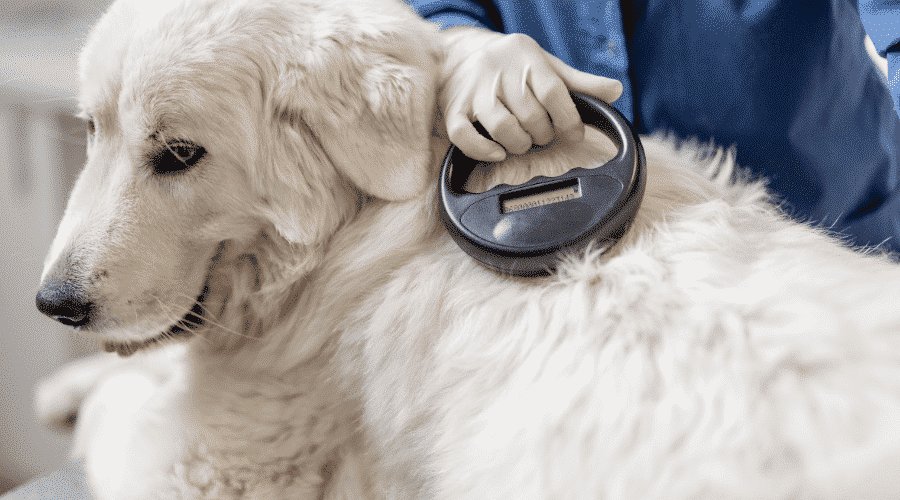
Next up, pay the fee and keep a copy of the paperwork with you. Before microchipping, the vet will check the chip’s ID number by reading it over the needle. If everything is fine, the vet will implant the chip through injection. The vet will pull up the skin and inject the chip using the applicator. The vets implant the chip between the shoulder blades of the dog.
After insertion, the vets recheck the chip to ensure it is properly working. If you move somewhere else, make sure to update your information to avoid any confusion later on.
Does Microchipping Affect A Dog’s Health?
You might be wondering about the consequences of microchipping on a dog’s health but let us tell you, microchipping doesn’t bring any prominent health side effects. Hence it is generally safe. There will be little stinging in the injection site, but it will improve with time. The process is anesthesia and surgery-free and takes only a few seconds.
Few dogs will experience inflammation on the site, which, if it doesn’t heal, can lead to cancer development, but the chances are very rare, so you don’t have to worry. Many dogs don’t even feel anything while microchipping. Nevertheless, most veterinarians agree that the benefits of microchipping are far more than the risks.

What is the cost of microchipping a dog?
Veterinarians insert the microchip under the dog’s skin to ensure its safety if someone steals it at some point in life. It is to locate the dog instantly, but mainly for the owner’s peace of mind. The total cost of microchipping is around $45. This cost covers the price of the chip, registration, and the chipping procedure.
If you buy a pup, you have to microchip it yourself. And if you adopted one from a shelter, the chances are that the dog will already be microchipped. If that’s the case, you are lucky as you don’t have to go through the hassle yourself. However, make sure to scan the chip before leaving to ensure that it is working fine and the information is correct.
Is microchipping worth it?
Microchipping is great to have if you register it with the database of the national pet recovery center. Prefer using the microchip from the manufacturer who has access to various microchip databases. And if you think that the microchips and GPS trackers are the same, then you are wrong. They are quite different technologies.
The GPS tracker only helps you locate the dog, while the microchip not only tells the dog’s location but also provides your contact details. This will help the person who found the dog return it to you safely. Skeptical about microchipping your dog? Let us tell you that microchipped dogs have 20 times more chances of reuniting with their owners.
Conclusion
How to Microchip a Dog? Microchip technology helps you get rid of the worry of losing your furry friend that always lingers around when it is out playing and running. A microchip is a small device that helps track the dog no matter where it is. Medical professionals implant it under the dog’s skin through a quick procedure.
Unlike other identification items like collars and tags, the microchip’s information cannot be altered. So rest assured, you can always reach your dog through a microchip.
Besides, it is a painless procedure, and your dog won’t feel anything except a little stinging sensation for a short time. The risks associated with microchipping are also very minimal and less likely to happen. Microchipping isn’t very costly. Just think about it that this little one-time expense can free you from lifetime worries. So next time you take your dog outdoors, you will not be worried about its safety.
Recommended Readings:
- ]How To Treat Dog Mange At Home?
- Can Dogs Eat Vinegar?
- Why Do Dogs Mouths Quiver After Licking.
- How to Treat Dogs Yeast Infection In Ears?