



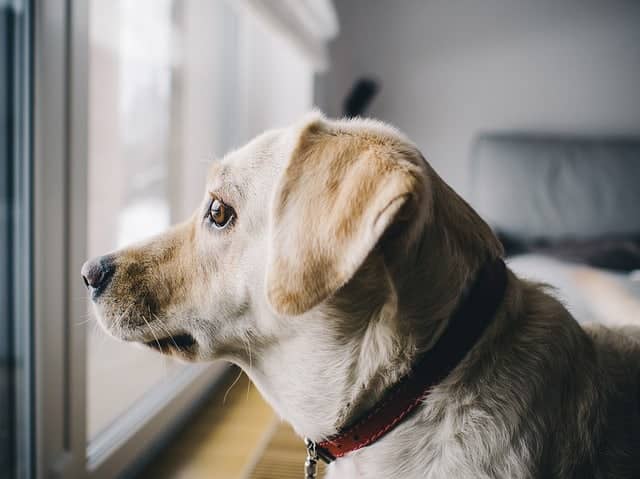

How Does A Dog Feel When Rehomed? Sadly, changing owners among dogs is more common than we like. This happens if an owner doesn’t want that dog anymore, if he can’t take care of him or if he abused him.
Due to any of these reasons, a dog may be rehomed and get a new owner.
How does a dog feel when rehomed? This is a huge change to a dog and it can be extremely difficult to overcome. We will explain what dogs may experience and how they will react.
How Does A Dog Feel When Rehomed
Massive Emotional Changes
Dogs have one owner, and they never want to change him. How does a dog feel when rehomed, you may wonder? They feel bad for many reasons. First of all, there is a strong bond between a dog and its owner.
Every single time a dog sees its owner, the centres in the brain that cause pleasure and reward are triggered. When there is no owner (the main or the first owner) present, these centres are not as active.
In general, a dog will become depressed and sad. Some dogs are slightly depressed for a few hours. Others may be severely depressed for weeks.
There is no way to explain and generalise this. It basically depends on the relationship a dog had with its first owner. If the relationship was strong, he would suffer more. If it was “loose,” he would suffer less. One way or another, this transition isn’t pleasant.
A dog may even become anxious. This is a huge change for him, and he feels sad and frustrated. You can see that those dogs will whine and bark all the time, and they don’t want to play or do anything. Some may even show more severe symptoms.
Dogs can be shy as well. This is due to the fact that they don’t know the new owner and they are in a completely new environment. Others may become aggressive! Keep in mind that this may happen more commonly than you believe, and you will see signs once you approach the dog. Be careful.
Physical Changes Occur As Well
Most of the changes and issues that arise when a dog is rehomed are emotional. But there are physical changes as well. For instance, a dog who is rehomed will avoid food for hours or even days. This is the most common symptom and is present in 99 percent of cases.He may lose weight, have diarrhea, or vomit. Certain dogs lose weight as well, as a result of all the other issues we have mentioned here. Due to more stress, he will drool more, and you can notice this all the time.
Ideally, you will visit a veterinarian and obtain medications.These can help a dog and make the transition more bearable, and they may even eliminate all the symptoms. Once the dog adapts, medications won’t be needed.
Making The Transition Easier

If you are the new owner of that dog, here are a few things you can and actually must do. Yes, adopting a dog and leaving him alone in the house is the easiest way, but the worst for your new friend. In general, you need to make the transition as easy as possible and help the dog adapt. There are a few things you should do.
1. Place His Bed In A Quiet Area
This is a mandatory step and the one that has the biggest, most positive effect on transition. The idea is that when a dog is stressed, he will go to his place or his bed to enjoy being alone.This can be your bedroom or any other area. Avoid placing his bed in a living room if there are a lot of people in the house. It will make the transition even more stressful.
2. Provide Him With Plenty of Physical Activity and Love
It is an obvious thing you need to do, and it is the one that can make a massive difference. Dogs are happy creatures, and they like to play. If you play with him all the time and give him all the attention he needs and wants, the transition will be less severe and much easier.
You can see your dog becoming a happy animal once again. This isn’t something you should do occasionally or just once. It is something you need to do all the time, even after the transition period is over. In addition, a dog may need a few days or a few weeks to get used to playing with you.

3. Create A Routine and Use The Same Food
This is a very important point, and it should be applied as soon as you get the dog. Create a routine when it comes to feeding. Feed your pet at the same time every single day, and always use the same food he ate in the previous answer.
It creates a known sensation and makes the transition less stressful. If you can’t find him the same food he ate, try many options and you will probably find the best one. Feeding him at the same time every day is extremely important. Don’t ever forget that all dogs are creatures of habit, and they like routine.
4. Get Him Old Toys
If possible, use his old toys and other things. These can include blankets, shorts, or anything similar. It is irrelevant which things you bring, but they must have been used by the dog for quite some time. Sadly, this is impossible in most cases. If you experience this problem, get your new dog new toys and help him find the most appealing one.
Final Word
How Does a Dog Feel When Rehomed? Rehoming a dog is never an easy or linear task. As a matter of fact, it can be extremely complicated and difficult. How a dog feels when rehomed is something you need to know and understand. It is also something you should avoid at all costs.
Dogs want, need, and should have just one owner. But if rehoming is mandatory, make sure you use the points we have listed above to make this process smoother and easier.