



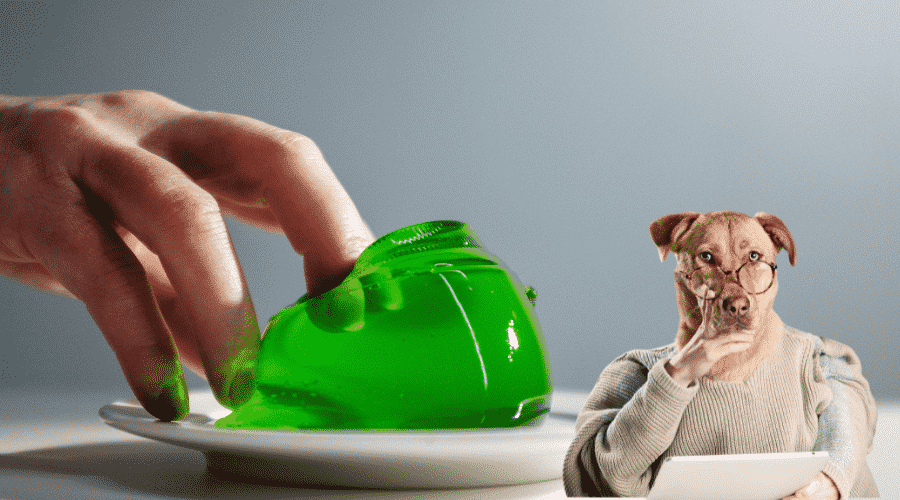

Just because you like to eat something doesn’t mean your dog should eat it as well. Can dogs eat jelly? It is made from fruit hence it must be safe and your pet will even get a lot of health benefits. This is a myth and a huge problem for some dog owners and especially dogs. The short answer is no. Dogs must not eat jelly. Below we will explain why this is a mandatory thing to know.
Jelly Is Not Good For Pets
Don’t think that jelly is made all from fruits. In reality, this is a high-sugar product. Between 48 and 54% of jelly is pure sugar. Keep in mind that we are referring to marmalades, jams, and more. All of these are the same thing as jelly! Can dogs eat jelly? They must not eat sugar in large amounts, hence they must not eat jelly.
One tablespoon of jelly has plenty of sugar. It will generally contain around 1-2 tablespoons of sugar. The worst thing here is that some dogs love the taste and aroma. They will want to eat jelly as much as they can. But, even one tablespoon will provide too much sugar to your dog.
Some jelly products contain xylitol. This is an artificial sweetener. It is safe for humans and there are no problems you need to worry about. But, it is toxic for dogs and your pet must avoid it at all costs. It is poison, literally for your dog. Sadly, you can find xylitol in many products and all of these are bad for dogs.
We must add that jelly is made from strawberries, blueberries, and many other fruits. These do have healthy nutrients. But, due to the high amount of sugar, there are more negative sides than positive ones. In addition, in order to make jelly, these fruits are heated to high temperatures. This means that their health benefits are low or almost non-existing.
Jelly Ingredients
Here we must explain a few ingredients in jelly. Of course, there are a lot of variations but these ones are the most common. To make jelly mix extracted fruit with pectin and sugar. Cook it. Here are a few ingredients you can find in jelly.
-
Fruit
Fruits in jelly are not bad. They can provide some healthy nutrients. This is the case unless grapes and similar (fruits toxic to dogs are present). Keep in mind that due to this production process, health benefits are not as potent as with raw fruit.
-
Acid
Using acid is a must. It will help jelly form by making the pH level optimal. Lime juice or lemon are common. These are both dangerous to dogs. Your dog can end up with an upset stomach, diarrhea, vomiting, and weakness.
-
Sugar
Sugar will form the texture and taste of jelly and it is present in massive amounts. More than half of the jelly is sugar so you can imagine the risk.
-
Pectin
Pectin is toxic to dogs as well. It is not a huge issue but it can cause a lot of issues. Even humans should avoid products that contain pectin.

What Happens If a Dog Eats Jelly?
Nothing good can happen from this. The first thing you need to know is that there are some variations. If a dog eats jelly that consists of sugar and fruits, without xylitol or fruits that are toxic for dogs (grapes for instance) you don’t need to worry that much. You may want to take him to a vet. Vomiting, diarrhea, and upset stomach are something your pet will likely experience. However, there are no toxins here which is a better option than the second one.
If your dog eats jelly that contains grapes, xylitol, or something similar, take him to a vet immediately. He has poison in his stomach and a vet must induce vomiting and provide other treatments in order to save your pet. You may want to take him to a vet even if you think he ate some jelly.
Health Risks In Dogs Who Eat Jelly
If you give jelly to your pet in smaller amounts but frequently, or he ate the entire jar while you weren’t looking, there are some risks present. There are 4 main issues here and we will have to explain each one.
Pancreatitis
When a dog eats a lot of sugar his body will produce more enzymes that will dissolve glucose. This puts stress on the pancreas and can cause pancreatitis (inflammation of this organ). We know that this is a very painful condition for a dog. The pain is a side effect of the enzymes that will digest the pancreas, literally!
Cavities
Dogs don’t need sugar products. Honestly, their bodies are not designed to process sugar in high amounts. Their teeth share the same issue. If a dog eats jelly, he can end up with cavities, damaged teeth and so much more. Bad breath, issues with gums and so much more are just some of the problems your pet may end up with.
Diabetes
If blood sugar level increases dramatically, your pet can develop diabetes. Sugar is the number one cause of diabetes in dogs and is something you need to worry about. There is no simple cure here which makes the situation even more severe!
Obesity
Dogs these days are at a high risk of becoming obese. If you can’t feel the ribs, your pet has a massive belly or something similar, he is obese. Sugar can make your dog seriously obese in no time. These dogs are at a much higher risk of developing diabetes and many other health issues.
The Final Word
Can dogs eat jelly? No, they can’t and you shouldn’t feed your dog with jelly. It is a simple truth. These products contain a lot of sugar and possibly toxic ingredients or chemicals that are poisons for dogs. There are no major health benefits (in some cases there are no benefits at all) hence you need to find an alternative. Plain fruit that is safe for dogs is a much better option.
Recommended Readings: