



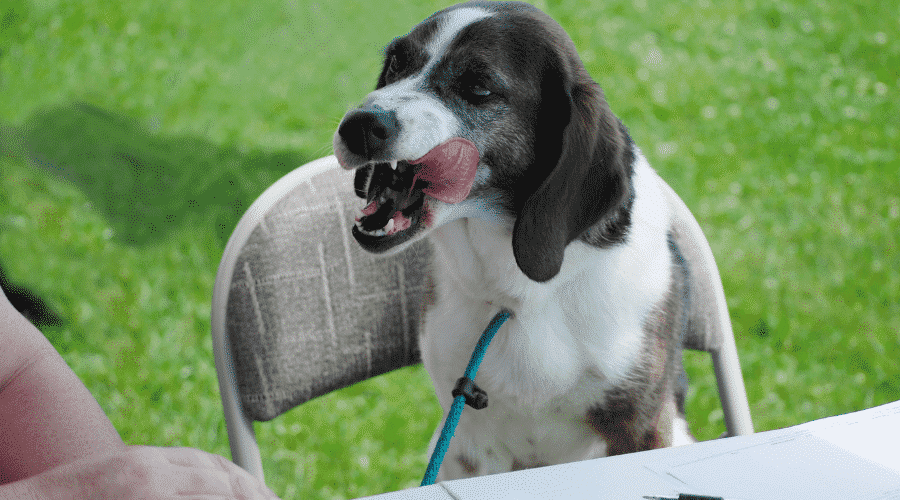
Looking for signs your dog is stressed? Stress is a normal thing that may appear in your dog. Dogs usually get stressed more than you can imagine due to various conditions in their surroundings. Stress in your pet can be caused by trauma, boredom, separation anxiety, strange noises, and diseases. Stress can affect both the physical and mental state of the dog, making it feel bad or low.
It’ll be good to help your dog relieve the stress or control its effects. However, before you determine how to calm your dog, it’s essential to understand the signs of a stressed dog. Your pet might portray multiple signs of stress through its body language and behavior. It’ll be good to understand your dog’s behaviour and look for any strange behaviours that may signify stress in your dog.

Here Are The Top 7 Signs Your Dog Is Stressed
1. Increased Rate of Yawning and Sleeping
It’ll be good to understand your dog’s sleeping patterns so that you can quickly realise a problem if there is any slight change in the sleeping pattern. More sleeping or yawning in dogs is a significant sign of stress.
The pet may experience an increased rate of sleep because, when it encounters stressful situations, its body switches to a flight or fight mode. This condition makes the adrenal cortex release stress hormones, making the dog’s body go on high alert. It makes the body feel exhausted, thus increasing the need for resting or sleeping.
2. Shaking and Shivering
It may be healthy for your pet to shiver or shake during a typical day. However, you’ll need to be more concerned if the shivering is involuntary, because this may be an indication of a stressed dog. In addition, if your dog shivers continuously for a longer time, it’ll be good to check with your vet to see if it may result from stress.
During the shaking, if your dog may be hiding or start acting aggressively, then you should check for stress in your pet. Shaking may also arise due to a cold or wet pouch or if the animal is sick. Suppose all the conditions are correct and your dog is still shaking; it signifies stress. It’ll be good to calm it down and get it in a safe place.
3. Shedding Excessively
Most dog species will shed their fur during some seasons of the year. However, an excessive shedding rate should symbolize either stress in your pet or some health conditions such as skin issues. It’s essential to understand the shedding habits of your dog; this will help you identify if there is any excess shedding from your pet.
Excessive shedding may be one of the signs your dog is stressed; stress hormones may increase the rate of shedding. These hormones get into the dog’s bloodstream and increase the rate at which your dog is losing its fur. If you realise this, it’ll be good to seek help from your vet to determine the main cause of the excessive shedding.
4. Ears Pinned To The Back
When keeping a dog in your family, it’s good to understand that how the dog holds its ears may signal stress. It’s always a sign of anxiety or stress if you find out that your dog has pinned its ears back and tightly against its head. However, dogs have different shapes and types of ears. Thus, it’ll be good to understand the normal position of your pet’s ears.
Then, always check for any change in the ear positioning or shape, as it may be a sign of a stressed pet. Nonetheless, using this method to identify a stressed dog among dogs with floppy ears is very challenging. With these dog species, consider checking them at the back and seeing if they are moving.
5. Isolation
Most dogs are usually playful and full of energy; therefore, they’d always play with other dogs or enjoy their time with the family members. However, when a dog is stressed, it always chooses to stay alone in particular places. Isolation in most dog breeds usually signifies stress in these dog breeds. It’s good to be very observant and reach out to the dog if you realise it has stopped being friendly and playful and wants to stay alone. Isolation is usually a key factor showing that your dog is anxious or suffers from some stressful conditions.
How To Discipline A Dog After Fighting. Watch This Video!

6. Extreme Barking or Whining
All dogs may bark for various reasons, such as to alert the dog owner of impending danger, if they’re hungry, or when they’re feeling uncomfortable. Excessive barking or whining is usually not normal among dogs, as it could signify stress or anxiety. If your pet feels frustrated, confined, or you’ve separated them from the others, you may experience excessive barking. Therefore, check for stress and anxiety if you realise your dog is barking excessively or making some strange sounds while barking.
7. Loss of Appetite
Dogs usually have a strong drive for food, and if you provide them with their favourite food, they’ll always eat it comfortably. When you realize a change of eating habits, then this may be indicating a sign of stress. The dog can begin to be very picky with the food you usually provide or eat less food than the usual amount. Unless you resolve the stressful issues, most dog species usually don’t go back to their typical feeding habits.
Therefore, it’s essential to consult your vet if you notice your pet has changed eating habits, as this may signify stress or a sick pet. Checking the eating patterns of your pet will be very important to ensure that you keep track of the dog’s feeding habits. The tracking helps you realize any change in the eating habit that may signify an anxious or stressful dog.
Final Thoughts
Stress may impact the dog’s usual activities and health. Therefore, it’s important to always check for any signs of stress in your dog and help to calm it or seek the best way to approach it. The above are the top signs your dog is stressed.
However, these signs may vary among the different dog breeds. More so, the surrounding environment can also affect the dog’s behavior and body reactions. It’s good to immediately consult your vet if you notice any sudden change in your dog’s behavior or body language, as they may be warning signs of a stressed pet.
Also you might like, Why Does My Dog Stand On Me? Is It A Problem?

