



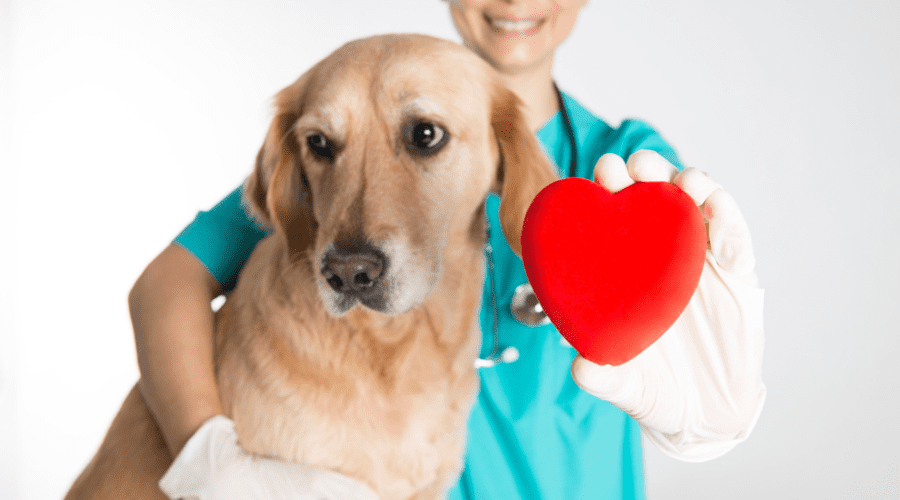
Dogs are the most faithful companions for any dog owner; thus, they’ll depend on them for everything, including health care. To have a healthy and active dog that provides good company to your family and watchfulness to your homestead, checking its health is essential. While caring for the dog’s health, it’ll be necessary to understand the common dog health problems that your dog may face.
Furthermore, learn more about their signs or symptoms and the best practises to control or manage these conditions. It’s always a good idea to visit your vet for your dog’s routine checkups to determine any health conditions. Various health issues may affect your dog, so you need to watch for their signs and look for proper management mechanisms. This article provides an insight into the most common dog health problems you always need to consider.
Most Common Dog Health Problems
1. Skin Issues
Your dog may experience numerous skin issues that may range from mild to severe. The typical signs of skin problems in your dog include scratching or itching of the skin. More so, the skin may appear flaky, inflamed, red, and even scaly for some dogs. The skin may also have some other abnormalities, such as loose hair patches.
The skin problems may indicate different skin infections, allergies, or parasites (external and internal parasites). If you observe your dog scratching or chewing the skin regularly, and skin appears abnormal, it may signify skin infections. It’ll be good to visit your veterinarian for further examination and proper medication.
2. Ear Infection
A dog’s ear infection is one of the most common dog health problems. A dog with an ear infection will shake its head constantly and keep scratching its ears. Additionally, the dogs can have signs of debris or discharge and a foul odour from the affected ear.
It’ll be good to take necessary immediate action by taking the animal to the vet, as the infection can cause huge damages. If these signs persist beyond one or two days, it’ll be good to visit your vet for further diagnosis and guidance. Most ear problems come from allergic reactions the dog may have to certain conditions and substances.
3. Urinary Tract Infections
Urinary tract infections are very common among most dog species. It’s so frustrating to stay with a dog with a urinary issue, as the dog will keep peeing in the house more often. Most dog owners usually confuse the constant peeing of their dog with improper training rather than a health condition. The continuous peeing in the home may be an indicator of an underlying medical condition.
The main symptoms of this condition include frequent urination, changed urination and peeing patterns, lethargy, increased urination, and increased thirst. When you realise your dog has these problems, it’s essential to consult with your vet about its health. The urinary tract infections could signify diabetes and kidney issues, so it’ll be good to perform a urine examination.
4. Vomiting
Many factors can cause your dog to vomit, such as some may vomit after meals or due to infections. However, it’s very important to always closely observe your pet if it vomits more frequently. Simple vomiting may result from some issues in the body, such as toxicity, intestinal blockage, or serious diseases. The vomiting may be a sign of a serious health issue if the dog also has other signs such as weakness, lack of appetite, and diarrhea. However, it won’t be good to keep guessing the causes; your vet can provide an accurate diagnosis and proper management or treatment plan.
5. Parasites
It’d be great if you were always prepared to deal with parasites when keeping any dog, as they are everywhere. These parasites may include external parasites such as ticks and fleas or internal parasites like intestinal worms. It’ll be good to consider the best ways of preventing the parasites rather than treating them. The parasites might be very harmful to the animal’s health as they may make the pet uncomfortable or even cause anemia.
6. Dental Issues

Periodontal disease is a common dental issue that affects the dog’s tooth attachments and gums. Apart from the condition, you can also check for bad breath, tartar, and plague in the pet’s mouth. These are dental conditions that may cause damage to your pet’s gums and teeth. If you leave the conditions untreated, they may affect other organs and systems in the body, such as the circulatory system.
7. Obesity
It’s a common health condition among most dog species. Obesity can result in fatal health issues such as heart failure, orthopaedic issues, and even diabetes. However, you can easily prevent this health problem by ensuring your dog gets a healthy meal and regular exercise. Dogs with obesity might find it difficult to walk a few distances or engage in some activities.
8. Arthritis
A dog with arthritis will have signs of inflammation in various body joints. Osteoarthritis is the main form of arthritis in dogs; this condition mainly attacks seniors or older dogs. Most dog experts refer to it as an old dog’s disease. Nevertheless, old injuries and congenital disorders such as hip dysplasia might be some of the leading causes of the condition. If you suspect any cases of osteoarthritis, you can consult your doctor for the management and treatment options.
9. Poisoning or Toxicity
Most dog species have always been curious and have a high food drive, thus making them susceptible to food poisoning. Dogs usually ingest most toxins or poisons, such as medications, plants, and even foods the animal may consume. Vomiting, diarrhea, and signs of weakness may signify poisoning or toxicity. If you realise this, it’ll be good to seek the services of a vet immediately.
10. Diarrhea
Most times, dogs with vomiting may also have signs of diarrhea, or it may come on its own. Diarrhea may result from gastrointestinal issues, the ingestion of bad food, or other serious digestion issues. If your dog has severe diarrhea, either with blood in it or without, this should raise the alarm, as it may lead to dehydration. If diarrhoea persists with additional signs of lethargy or vomiting, it’ll be necessary to consult a vet for a diagnosis and further examination.
Conclusion
Having a healthy dog is the top priority for most dog owners. It’ll be good to carefully watch for the signs and symptoms of the most common dog health problems. These problems may include vomiting, toxicity, obesity, skin infections, and many more. Once you notice any of the symptoms of strange behaviours in your pet, it’s good to take it to the vet for further examination and advice on the best ways to manage the condition.

