



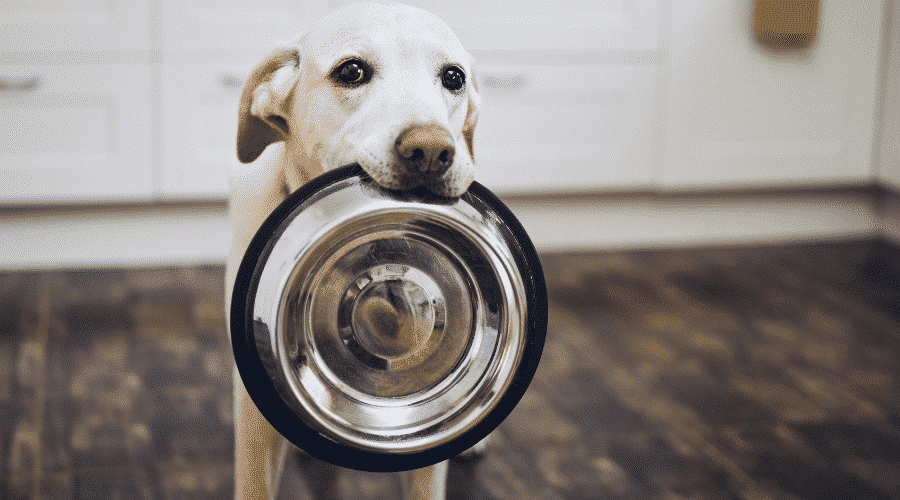

How much food should I feed my dog? Food is essential for your pet, as it aids in promoting good health, growth, and development. Most dog owners work so hard to provide their pets with food; however, most have wondered about the right amount for their dogs. Several factors may influence the correct amount of food you should feed your pet.
The developmental stage, size, type of activity, and type of food you’re feeding your pet will determine how much food your dog needs. For example, the younger dogs or puppies may need more calories than the older or senior dogs.
The reason being their bodies burns more calories. Therefore, it’s essential to understand the right amount of food you should provide your dog to grow healthy. Then, how much food should I feed my dog? Read through the article to get the perfect response to this question.

How Much Food Should I feed My Dog? A Comprehensive Guide.
Feeding the Puppies
After eight weeks, you should have started weaning most puppies from their mother’s milk. Any dog owner should introduce the puppies to solid food after they reach the age of 3 to 4 weeks. When feeding the puppies, the amount and type of food you feed them will depend on multiple factors. These factors include their size, environment, activity level, and rate of metabolism.
While feeding them, it’s also important to check their weight. Experts advise that you gradually decrease the feeding frequency if the puppies seem overweight. You can increase the frequency and amount of feeding if the dog seems emaciated with ribs showing. It’s important to feed the puppies more frequently with food rich in protein and other nutrients to foster their growth. Approximately feed them three times a day, with the first meal in the morning, noon, and evening.
You’ll have to reduce the frequency of feeding the puppies as they age, as the food requirement per kilogramme of body weight starts to level off. When the puppies are 5–6 months old, you can reduce the meals to two meals a day. To encourage your finicky eater, adding warm water to the dry food will be helpful. It’s necessary to avoid feeding puppies milk, as it predisposes them to digestive problems.
Feeding an Adult Dog

After attaining one year old, you should start treating your puppy as an adult dog. The adult life period usually lasts between six and eight years, depending on the care you give the dog and its breed. During this period, most dogs are usually active and maintain the same lifestyle. Therefore, the amount of nutrients and foods they need during this period remains the same.
The diet you provide to dogs at this stage of life is mainly for maintaining their health and lifestyle. Your dog may need more energy-giving foods if it engages in multiple activities.
When feeding the dog, provide small quantities of food in the morning. However, experts advise that you give it more food before and after the strenuous activity or exercise. Additionally, consider the weight when feeding an adult dog, gradually reducing the frequency of feeding your dog if it seems overweight.
It’ll be good to feed an adult dog twice a day, in the morning and early evenings. However, the activities of your dog might make you alter the feeding plan. by increasing the frequency of feeding to three times a day and increasing energy-giving foods in the diet. These foods and feeding frequencies will help the dog cope with the specific activities.
Feeding Senior or Old Dogs
It’s always a more challenging task to appropriately feed an older dog than an adult or a puppy. Due to the age and complications in the different body systems, you might need additional diets for these dogs. Nonetheless, these animals will require fewer foods and dietary requirements, such as increased energy requirements.
When feeding the senior dogs, it’ll be good to provide them with feeds containing few calories. However, these feeds should have the proper nutrients to help keep the dog’s strength intact. It’s essential to consider the dog’s weight, overall health, and activities before deciding how much food to feed it.
Overfeeding the senior dogs might lead to certain health complications, such as obesity and heart problems. The reason being, they don’t take part in any activity that’ll help to burn the calories. Contrary, if you provide fewer foods, the pet will look weak and emaciated. Averagely it’d help if you fed the dog twice a day, mainly providing high-energy-giving foods.
Breeding or Pregnant Dogs
How much food should I feed my dog? It’s a question most dog owners, especially first-time dog owners, have been asking. It’s essential to check the dog’s breeding stage before determining the appropriate amount. Pregnant and breeding dogs usually require attentive care, unlike the other dogs. The gestation period of dogs is usually 62 days, during which the dog requires adequate care and proper feeding.
You can maintain the diet during the first four or five weeks of getting pregnant. Feed your pet with a regular amount of food, the same ingredients, and at the same interval daily. After this duration during the last three weeks, it’ll be essential to increase the amount of food for the dog. You can feed the dog three or four times a day and provide a huge amount of meals that will help to increase the number of calories. It’ll be essential to ensure you get a healthy puppy and the dog prepares well for the lactation period.
How To Discipline A Dog After Fighting. Watch This Video!

Wrapping Up
How much food should I feed my dog? This question has caused many dog owners to conduct numerous studies to get the appropriate answer. The information above provides a comprehensive guide on the amount of food you should give your dog based on different growth stages. Various other factors will also help you determine the correct amount of food and times you should be feeding your pet.
The amount and frequency of feeding your dog will depend on the dog’s age, size, and weight. It’s good to provide your dog with the correct amount of food to help keep your pet away from health issues such as diabetes, heart problems, and obesity.