



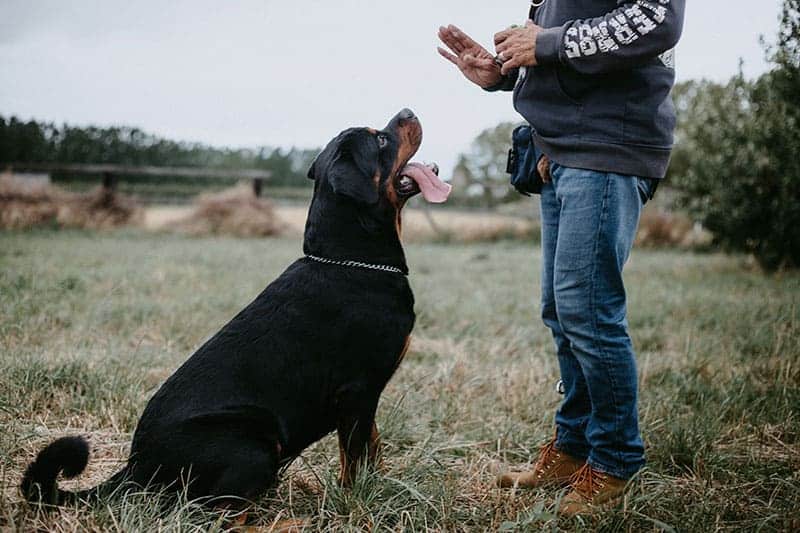

Today we are going to talk about common dog training mistakes to avoid. Did you know that dogs will behave the way you’ve trained them? Thus, it’ll be essential to provide the perfect training techniques for your dogs. Training a dog in the best way ensures that your dog takes in your instructions and adopts positive or good behaviors. Training a dog should be a beneficial and mutually exciting exercise; any frustration on either party should signify using a wrong technique in training.
It’ll be essential to follow certain techniques to help you achieve positive results while training the dog. To achieve success during this period and after training, you should avoid specific ways of training the dog that may lead to frustration or failure to follow the instructions. We’ve compiled 7 common dog training mistakes to avoid so you can achieve more significant results.
7 Common Dog Training Mistakes to Avoid
1. Unnecessary Punitive Punishment
Most dog owners have always had the belief that punishing the dog harshly is the best way to teach it positive behavior. However, it might not be the solution; instead, it causes more harm to the dog’s behavior. Most animal health experts’ studies reveal that the harsh treatment will affect the dog’s mental well-being and health.
Sometimes the pet might have gone wrong, prompting you to use a harsh punishment method; it’d be best if you avoided the punishment. Avoiding scolding the dog when it has done something wrong will be a huge step to creating a good relationship during the learning process. Showing your pet some love will help to improve your relationship during the learning process.
2. Inconsistency In The Training
Among the seven common dog mistakes to avoid, inconsistency is the most critical to work on. Inconsistency of the training may lead to the failure of achieving your set goal. Inconsistency occurs in various forms, such as your training session’s timing, the commands, and the behaviours you teach the dog. Any alteration on any of the factors will affect the learning process of your dog.
For example, when you alter the behaviors, like teaching your dogs places for having their meals. Most trainers usually train the dogs to have their meals in some designated places but later provide them with snacks in the dining area. It makes it hard to ensure the dog solidifies the behavior you had trained them in earlier. It’s also possible to alter your language to teach the dog, but adding other words might confuse the dog more. Therefore, it’s vital to maintain the behaviour code, speech, and timing of the training sessions.
3. Reinforcing The Negative Behavior
Most dog owners enforce some negative behaviours without noticing them during the training period. The enforcement makes the dog continue with the negative actions as they think the owner likes them. For example, if the dog barks back and you call them to correct the aimless barking, However, upon reaching your place, you scold them away, which makes them confused about the essence of scolding. The dogs might interpret that barking as proper, but the scolding came from it coming closer to you. Thus, they’ll continue with the aimless barking.
Therefore, it’ll be essential to track your pet’s behaviours and ignore some actions to prevent unknowingly reinforcing negative behaviors. Walking to where the dog made a mistake and correcting from there will be a better option than calling the dog at you and scolding it.
4. Avoid Abusing Treats
It’s sometimes effective to incorporate treats into training for your dog. However, it’d be essential to check when providing the dog with the treats, as they might negatively affect its behavior. After exhibiting some good behavior, providing the dog with a treat will enhance the repetition of the deed or behavior.
However, having many treats may cause the pet to develop an unhealthy dependence on the treats. Additionally, the treats might result in excessive weight gain, which isn’t suitable for their health. Therefore, it’s reasonable to reward the dog with a small reward after correctly responding to a particular behavior instead of giving them huge treats frequently.

5. Being Impatient With The Dog or Having Impractical Expectations
It’s common among less experienced dog owners, as they won’t be patient with the dog while teaching it good behaviors. The process of teaching dogs good behaviours takes some time, and you’ve got to repeat some of the steps for them to understand. How many times should I tell the dog about this? After how long will the dog learn to pee in their designated points? These are some of the questions impatient dog owners ask.
It’d be crucial to shelve all the unrealistic expectations from the dogs while training for you to avoid being impatient about the process results. Preferably, it’ll be great to get prepared to administer the instructions to the dog repeatedly for the dog to understand the behavior.
6. Being Too Repetitive
While training your dog, it’ll be good to repeat some of the instructions several times for the dog to understand them. However, too much repetition tends to be harmful to the dog’s behaviour. The dog might lose interest in the behaviours you’re teaching it if you do the same things repeatedly over a long period of time.
The loss of attention is attributed to the short attention span of most animals in the dog family. Therefore, it’ll be essential to have shorter training sessions on different behaviours. If your dog is not responding to the instructions you’re providing, then switch to another instruction or behaviour training.
Why Do Dogs Lick Their Paws? Watch This Video Now.

7. Starting The Training At A Later Stage
For a dog to adapt to your instructions and the behaviours you want, it’s always good to start the training immediately after you interact. It may be a puppy or a full-grown dog, but it’d be great to start the process as soon as possible. However, waiting a few months or weeks before teaching the dog won’t bear fruit.
The dogs will have adapted some weird behaviours that will be hard to change. For example, if the dog is eating from any point, it’ll be hard to teach them to eat at designated locations only. Therefore, it’s good to avoid starting to train the dog later after the meeting.
Conclusion
If having a positive and successful relationship with your dog is your primary goal, it’ll be good to have the proper training techniques to teach your dog the appropriate behaviors. The training is beneficial for creating a rewarding and bonding experience with your pet. However, there are some mistakes that you can make while training the dog that become costly and negatively affect your pet’s behavior. The above are the seven common dog training mistakes to avoid when training your dog.
Recommended Readings:
- How Long Do Bernese Mountain live?
- Are Green Beans Good For Dogs?
- How To Stop A Dog Scratching A Door.