



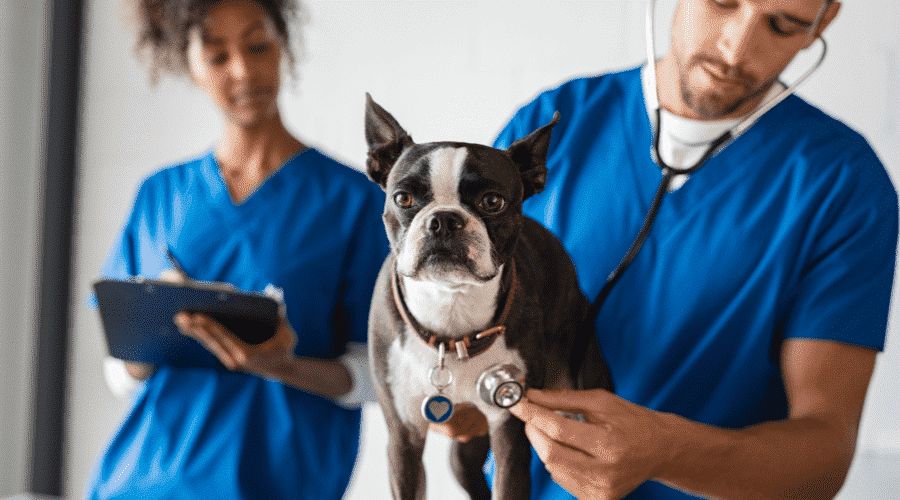

Owning a dog can be very costly because visiting the vet costs lots of money. Regular health check-ups are very important for the good health of your pup. Most people rely on annual check-ups for their dogs, but I think that’s not enough. I know the cost of visiting the vet is too much, but you must take your dog to the vet for a wellness exam that is an important part of preventive care.
Taking your dog to the vet depends on many factors, including your dog’s health, age, vaccination, etc. If you are a first-time dog owner, you must understand the importance of visiting a vet to save your dog from future health challenges.
Why is The Annual Wellness Exam important?
Most pet owners only take their dogs for an Annual Wellness exam to know about health issues or illnesses early. Diagnostic tests have grave importance because they are the deciding factor for the future tests of your dog. The vet then compares both the tests and then comes up with medication and treatment plans. The veterinarian will overall check your dog, update the vaccinations if necessary, and guide you for your dog’s good diet and nutrition. It would be best to take your dog to the vet once a year for your dog’s healthy and long life.
Puppy: (From Birth to 6 Months)
The first year of your puppy is crucial, and it may require visiting the vet from time to time. If you own a puppy, it is necessary to take your pup to the vet to know its overall health. The health of the puppy should be your main concern. Puppies are unable to express their health problems. That is why it becomes your responsibility to take him to the vet for a routine check-up.
The Initial Exam:
The very first exam is important for your adopted puppy to keep its health record up to date. In this exam, your puppy’s overall health will be checked, including the tests for parasites. The development is tracked through the weight of your puppy.
Vaccinations:
When your puppy is 6 weeks old, you need to take your puppy to the vet for a series of vaccinations. Vaccination at 16 weeks includes vaccines for distemper, rabies, hepatitis, influenza, and parvovirus, and so on. Distemper is the initial vaccination done when your puppy is 10 to 12 weeks old. The vet may go for booster shots to protect your dog against harmful diseases. So, never disregard the importance of vaccination in dogs.
Flea, Heartworm, and Tick Preventive Medication:
When your puppy is 8 weeks old, it’s important to go for heartworm, flea, and tick prevention treatment. The shots for flea, tick, and heartworm give long-lasting protection to your dog for up to six months.
Six Months:
When your pup is 6 months old, you need to take it to the vet for spaying or neutering. The vet performs a physical examination of your puppy. Spaying female dogs at six months is important because it decreases the chance of getting ovarian cancers. Neutering at six months is necessary to reduce frustration and aggression in dogs. Never neuter your dog before six months; otherwise, your dog will develop hypothyroidism resulting in obesity.

Vet Visits For Adult Dogs: (1-7 years)
When your dog is one year old, you have to plan for regular vet visits to look for any signs of illness. Annual physical examination is enough at this stage. However, if your dog is weak, it is very important to visit the vet to improve his health. At times the vet plans the booster shots; that is why annual visits are very important where the veterinarian performs a series of tests and then compares them annually. Heart health and dental health are the main concerns of a vet to maintain your dog’s good health. During this time, the vet may recommend making some changes in its diet.
Vet Visits For Senior Dogs: (7 years+)
When a dog turns 8, it is considered a senior dog. For a senior dog, visiting the vet twice a year is recommended. More than one check-up is necessary because senior dogs are more likely to get health problems, so these visits will make it easier for the vet to detect such problems ahead of time.
A series of diagnostic tests are recommended for senior dogs, including ultrasounds, blood tests, fecal tests, and others. Senior dogs are more prone to getting severe health issues. Your vet may recommend some special diet plan for your aging dog once performing the physical check-up. If you have observed many changes in your dog’s behavior during this time, you must discuss it with your vet.
Do I Really Need To Take My Dog To The Vet?
Apart from routine check-ups or vaccination, if you observe certain changes in your dog’s behavior, you need to take it seriously. If your dog is feeling lethargic, lying around more for taking less interest in you, then it is high time to take your dog to the vet. Dogs often get vomiting or diarrhea when you introduce a new meal into their diet or for any reason, and this also needs visiting the vet.
What Is The Average Cost of Visiting A Vet?
Visiting the vets quite often becomes challenging for pet owners because it is a huge investment of time and money. But the good idea is to invest time in your dog’s health to prevent dangerous diseases in the future.
For Puppies:
The average cost of visiting a vet is approximately $1000, including costs of physical examination, vaccinations, and dental care and prevention medications for heartworm, tick, and flea.
For Adult Dogs:
The average cost of visiting a vet is approximately $700 to $1500 annually.
Final Words
Every pet owner looks for ways to keep his dog hale and hearty. Being a pet owner, it’s your responsibility to take your dog to the vet once in a year; otherwise, your ignorance can cause serious health problems to your dog. So, you can never disregard the importance of a veterinarian if you want to keep your dog healthy.