



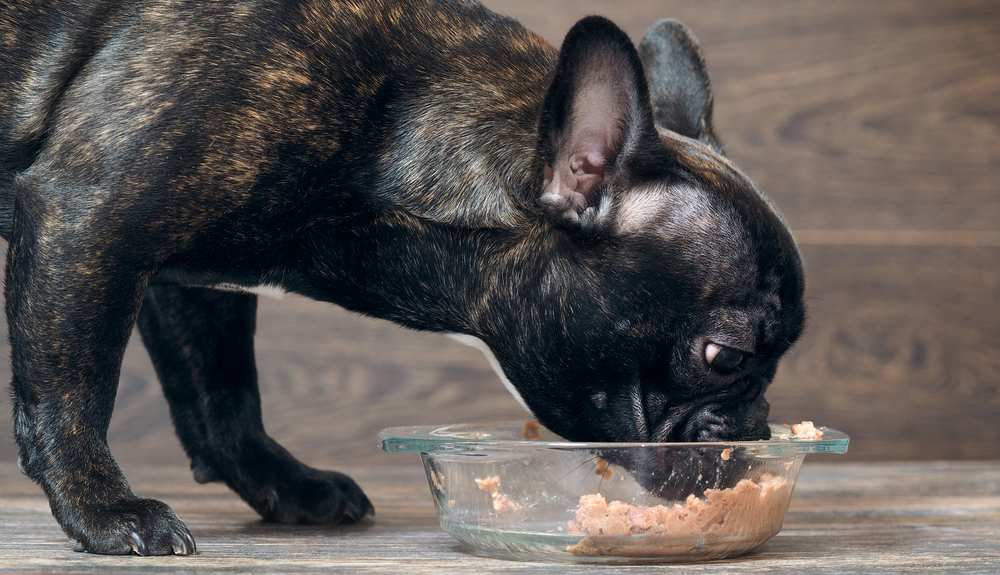

Maybe you dog or puppy has ingest some tuna or accidentally you feed them with it. So, now you’re wondering if dogs can eat tuna. In this article, we have spoken with a vet, and this is our conclusion.
Can Dogs Eat Tuna?
The short response is yes, dogs can eat tuna, and it can be a really good enhancement to their diet, but, in small amounts.
Tuna is also an excellent addition to a dog’s diet since it is rich in lean protein, which helps them develop healthier muscle, and low in unhealthy fats, which may contribute to obesity and other health issues.
However, due to the high mercury and sodium content of tuna, consuming too much of it may be particularly detrimental to their wellbeing. As a result, tuna can never be a regular staple, but more of a reward applied to your dog’s diet once a week, or less often for smaller pets.
The Advantages Of Tuna
Additionally, tuna is a good source of essential vitamins and minerals that dogs need to survive. Tuna is rich in selenium, which is beneficial for their joints and immune systems.
Plus, it is high in magnesium and potassium, both of which are essential for the health of cells and muscles, as well as phosphorus, which is needed for bone strength.
Tuna also contained a great amount of vitamins B3, B6, and B12, which all contribute to a balanced metabolism and adequate energy levels.
It is also high in Omega 3 fatty acids, which not only promote bright and shiny coats in dogs but also improve cardiovascular well-being, decrease inflammation, and can aid in lowering cholesterol levels.
Dogs are more prone to experience reactions to proteins such as chicken and beef. Consequently, it is prudent not to feed dogs the same meats every day and to guarantee that their food contains a variety of meats.
Is Tuna Safe For Dogs? The Dangers Of Tuna
Although tuna is a desirable addition to a dog’s diet, it should be consumed in moderation and be part of their diet on an as-needed basis rather than as a regular staple.
This is mostly due to the strong mercury content of this species of fish.
Using an excessive amount of this heavy metal is toxic to dogs and humans alike; however, since dogs are often smaller than their owners, their resistance thresholds are lower.
If you are concerned that your dog has consumed an excessive amount of tuna, the following are the symptoms of mercury toxicity to watch for:
- Hair thinning
- Blurry vision
- Coordination deficit
- Lack of sensation in the paws
- Bruises
- Vomiting, always with blood in it
- Watery diarrhea, which is often bloody
The high sodium content of tuna may also be a concern since sodium is also toxic to dogs in significant quantities, so it is safer to eat it in moderation. Symptoms of sodium toxicity to watch out for include the following:
- Seizures
- Suffering from extreme hunger
- Excessive urination
- Lethargic state
- Appetite deficit
- nauseous
- swelling of the tongue
Although dogs need a high amount of safe animal protein in their diets, the extremely high protein content of tuna can be challenging for certain dogs to stomach, especially if they are not used to it.
Although it is not toxic, it can trigger a disturbed stomach in them, which is bad for you in terms of cleanup.
If you introduce something new and intriguing to your dog’s diet, track their reaction to it closely.
Keep an eye out for vomiting and feces, as both are strong indicators that they are having difficulty responding to the new diet.

How Much Tuna Is Too Much?
Essentially, if your dog is not a normal tuna eater and steals any off your plate when you are not watching, you need not be concerned because it would not harm them.
If you feed fresh tuna to your dog, it is healthy to offer him one or two little bite-size bits once or twice a week.
You can do this slightly less often for tiny dogs and slightly more often for big dogs since their weight largely determines how much they will eat.
If you want to feed a can of tuna to your dog, it is healthy to do so approximately once every three weeks for a 20-pound dog.
A 40-pound dog can consume one standard can of tuna per nine days. Additionally, a 90-pound dog will comfortably consume a can of tuna about every five days.
What About Puppies and Senior Dogs?
These basic guidelines extend to adult dogs in good health. Puppies do not consume tuna as part of their diet.
For around the first year of a dog’s life, the gastrointestinal and digestive processes are still evolving. It is safest to eliminate risky foods such as tuna during this period.
Again, there is certainly no need to fear if a cunning dog obtains a small amount of tuna, but you do not deliberately give it to them.
Although most elderly dogs should be fine with tuna, any dogs with weak stomachs or older dogs who have digestion problems should still avoid tuna regularly.
What Types Of Tuna to Feed Your Dog?
Dogs will consume the same varieties of tuna as humans, whether fresh, fried, or frozen, with a few exceptions.
If you want to feed fresh tuna to your dog, carefully clean the fish and extract any bones.
Dogs adore the flavor of fresh tuna and would almost certainly wolf it away, oblivious to the sharp bits that can pierce their throats and cause mayhem with their digestive tract.
Whether you prefer to roast or broil the pooch’s tuna, stop including any extra spices, including salt.
Dogs, in general, enjoy bland-tasting beef, and dogs often have difficulty digesting spices because incorporating salt and other condiments upsets their stomachs.
If you want to feed a can of tuna to your puppy, be certain that it is wrapped in water rather than grease.
Although oil is not a harmful product for dogs to eat, it is rich in calories. It has a less nutritional benefit for dogs, resulting in empty calories that may contribute to obesity.
Excessive oil in the diet can also contribute to pancreas inflammation. If this condition becomes permanent, it may result in severe health problems in puppies.
If you want to share the tuna-mayo sandwich with your puppy, you should do so, and they are likely to like the taste of the mayo as well.
Important Note
However, be cautious not to feed them too much mayo since it is very fattening, and keep an eye on the other products in the formula to ensure there are no other ingredients for pets.
Tuna will also contain tuna juice, which can be supplied to dogs more freely since it does not have the same inherent problems as tuna meat.
However, it is prudent not to offer them too much juice and to gradually increase their consumption.
Some dogs have weak stomachs and may have adverse reactions to things they are unfamiliar with. Keep an eye out for any vomiting and diarrhea, which are also obvious indicators of a problem.
When purchasing every kind of tuna, fresh or canned, it is critical to consider the origins of the tuna.
Although there are 29 distinct species of tuna, only about five of them are consumed by humans. Skipjack, yellowfin, albacore, bigeye, and bluefin are several of the species.
They are deemed suitable for human use, and the same varieties of tuna are considered safe for your dog to consume.

What About Commercial Dog Food Including Tuna?
As previously mentioned, commercial dog diets are gradually incorporating tuna into their recipes as innovative proteins, diversifying the varieties of animal-based proteins available to dogs and their owners.
However, dog owners may use caution when feeding commercial dog foods that include tuna to their dogs.
This is because it is impossible to determine the origins of the tuna, the amount of mercury it contains, and the precise amount of tuna in each bowl you serve your canine companion.
Cheaper dog foods are most likely to include tuna that has been considered unfit for human use but is nevertheless useful as a cheap source of nutrition for dog food, which will result in food containing potentially lethal amounts of mercury.
If you want to give your dog commercial dog food that contains tuna, you can conduct testing.
Ascertain that the dog food industry uses only human-grade tuna in their preparations.
This would almost certainly suggest that the food is very expensive, which is another excuse to give your dog this food in moderation.
Final Word
So, can dogs eat tuna? Yes, dogs can eat tuna. Consume it in moderation for your puppy.
This fish is an ideal addition to a dog’s diet because it is rich in beneficial nutrients, low in calories, and packed with essential vitamins and minerals. Additionally, it is a new protein that may serve as a substitute for the animal-based proteins that dogs often consume and often acquire allergies to.
If you feed your dog tuna that has been cooked for humans, be cautious about the preparation method. Dogs have difficulty digesting seasonings, and onions and garlic are poisonous to them, so they should avoid tuna cooked with these ingredients.